
Best Sponge Filters for Aquariums
A sponge filter is a block of foam on a lift tube. An air pump sends bubbles up the tube, water is drawn through the foam, and bacteria living in the foam break down waste. It has no motor in the water and a gentle current, which is why keepers use it in fry, breeding, quarantine and small tanks. The choices that matter are rated tank size, how much foam you get, the shape that fits your tank and the air pump you will run it on.
Jump to section
What we look for
Rated tank size and foam volume
the foam is the biofilter, so more of it means more room for bacteria.
Air supply
a sponge filter does nothing until an air pump drives it.
Gentle flow for delicate tanks
fry, shrimp and slow fish do better without a strong current or an open intake.
Rinsing and upkeep
foam clogs over time, and the wrong water can strip out the bacteria.
Break-in time
a new sponge holds few bacteria until it has time to colonize.
Size and fit
the filter must fit the corner or wall and leave the lift tube below the lid.
- Sources: manufacturer product pages and manuals, warranty terms, the Hikari sponge filter page for ratings and care, UF/IFAS for biofilter timing, and CDC for cleaning hygiene.
How to choose the right sponge filter
Sponge filters suit tanks where gentle flow matters more than polish. If you want a motorized filter instead, compare hang-on-back and internal types in our filter guide, and read how to cycle a fish tank to see what the foam's bacteria do.
The bacteria have needs of their own. UF/IFAS says common nitrifying bacteria stop working well when total alkalinity falls below 20 mg/L, and that low dissolved oxygen limits them, so act if oxygen drops below 5 mg/L (UF/IFAS). The rising bubbles help with the oxygen side.
Sponge filters are common in hospital and quarantine tanks, and that brings one more caution. UF/IFAS warns that some fish medications can be toxic to biofilter bacteria, so it advises setting up tanks that can be treated on their own (UF/IFAS). Test ammonia after any treatment.
Think about where the air pump will sit. One pump maker says to place its pump at least 12 inches above the water level and to fit a check valve, so water cannot siphon down the airline into the pump (Fluval manual).
Rated tank size and foam volume
Biofilters work by giving nitrifying bacteria a large surface to live on, and UF/IFAS lists sponge foam pads among the popular media (UF/IFAS). One maker rates its sizes for tanks up to 10, 40, 75 and 125 gallons (Hikari). Check the Rated tank size and Sponges columns together, and size up if you are unsure. A double sponge gives more foam in about the same footprint.
Air supply
Sponge filters are often sold without a pump, as one maker states for its own range, so check the Air pump included column (Hikari). UF/IFAS notes that air-lift pumps move water and aerate it at the same time (UF/IFAS). Budget for the pump, airline and a check valve, which one pump maker highly recommends so water cannot siphon back into the pump (Fluval manual).
Gentle flow for delicate tanks
One maker lists fry-holding tanks, breeding setups, quarantine and nano tanks as uses, and says its filters suit slow-moving fish (Hikari). There is no open intake, since water enters through the foam. Choose by tank size first, then by whether you want a single or double sponge for more surface. The same design suits shrimp tanks, where small shrimp could be pulled into an open intake; that is practical guidance.
Rinsing and upkeep
Mechanical filters clog as they get dirty and need regular cleaning (UF/IFAS). One maker says to rinse its sponges only in water taken from the aquarium, never tap or hot faucet water (Hikari). Do it away from the kitchen sink, in a tub, laundry sink or outdoors (CDC), and pick a design that comes apart easily. Squeeze the foam gently: the aim is to free trapped debris, not to scrub it clean.
Break-in time
UF/IFAS says a new biofilter needs six to eight weeks to build enough bacteria to bring ammonia and nitrite down (UF/IFAS). One sponge maker says peak performance takes at least 30 days and can take up to two months, and suggests soaking a new block for at least two weeks (Hikari). Plan ahead if the sponge is for a spare or quarantine tank.
Size and fit
Compare the Dimensions and Style columns to your tank. Corner designs save space in small tanks, while larger single or double units suit bigger tanks with room along the back glass. A tall lift tube needs clearance under the lid, so measure your tank's inside height before you buy, and check that the airline can reach the pump without a sharp bend. This is practical guidance, not a sourced rule.
Tips for using your sponge filter
- Soak a spare sponge in an established tank before you need it; one maker suggests at least two weeks (Hikari).
- Rinse the foam in tank water, not tap water, and squeeze it gently (Hikari).
- Test ammonia once a week with a test kit, especially in a new tank (UF/IFAS).
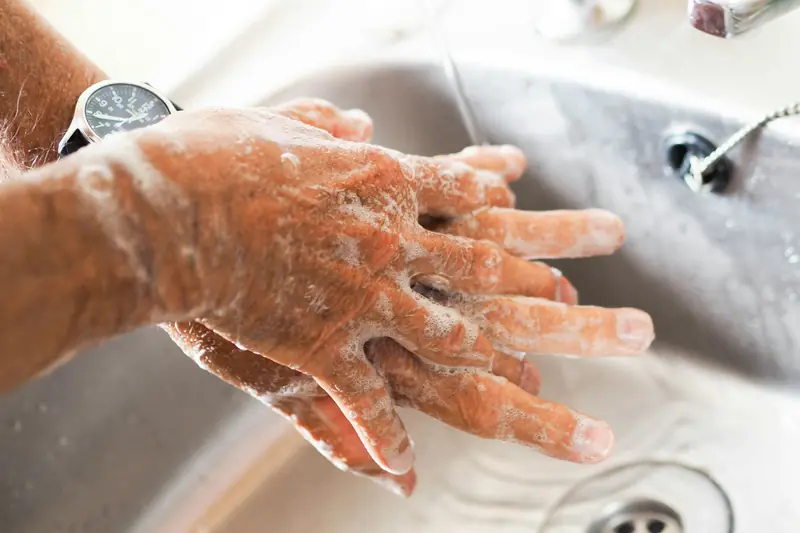
- Wash your hands after handling the filter or tank water (CDC).
FAQ
Does a sponge filter need an air pump?
Yes. It is air-driven, and one maker notes its air pump is not included (Hikari). Add airline tubing and a check valve.
Can I rinse the sponge under the tap?
One maker says no: rinse only with water taken from your aquarium, never tap or hot faucet water (Hikari).
How long before a new sponge filter works?
UF/IFAS says a new biofilter takes six to eight weeks to build enough bacteria (UF/IFAS). Test until ammonia and nitrite read zero.
Are sponge filters good for fry?
One maker lists fry-holding and breeding tanks among its uses (Hikari), and water enters through the foam rather than an open intake.
Can one sponge filter handle a whole tank?
One maker rates its largest size for tanks up to 125 gallons (Hikari). In a heavily stocked tank you may want it alongside a motorized filter; that is practical guidance, not a sourced rule.
Related
-

Buying guide
Best Aquarium Filters (Hang-On-Back, Sponge and Internal)
Rated tank size, flow, media and noise for hang-on-back, sponge and internal filters.
-

-

Comparison
Canister vs Hang-On-Back Filter: Which Fits Your Tank?
Rated size, media, noise, upkeep and leak risk for the two common filter types.
-

Buying guide
Best Aquarium Test Kits
Parameters, format, tests per kit and ammonia range, side by side.
-

Guide
How to Cycle a Fish Tank: The Nitrogen Cycle Made Simple
Ammonia to nitrite to nitrate, how long it takes and when fish can go in.
-
Guide
Aquarium Hygiene: Keeping Your Family Healthy Around Fish Tanks
CDC guidance on germs, handwashing, cleaning and who should avoid tank work.

Get the First Fish Tank Checklist
A printable 8-point checklist for a new tank: stand weight, water treatment, filter, heater safety, temperature, tests and cleanup. Free.